
The scars we cannot see are often the ones that run the deepest, and they do not discriminate. Survivors across Zambia carry the heavy weight of mental health struggles, often compounded by violence, manipulation, and stolen independence.
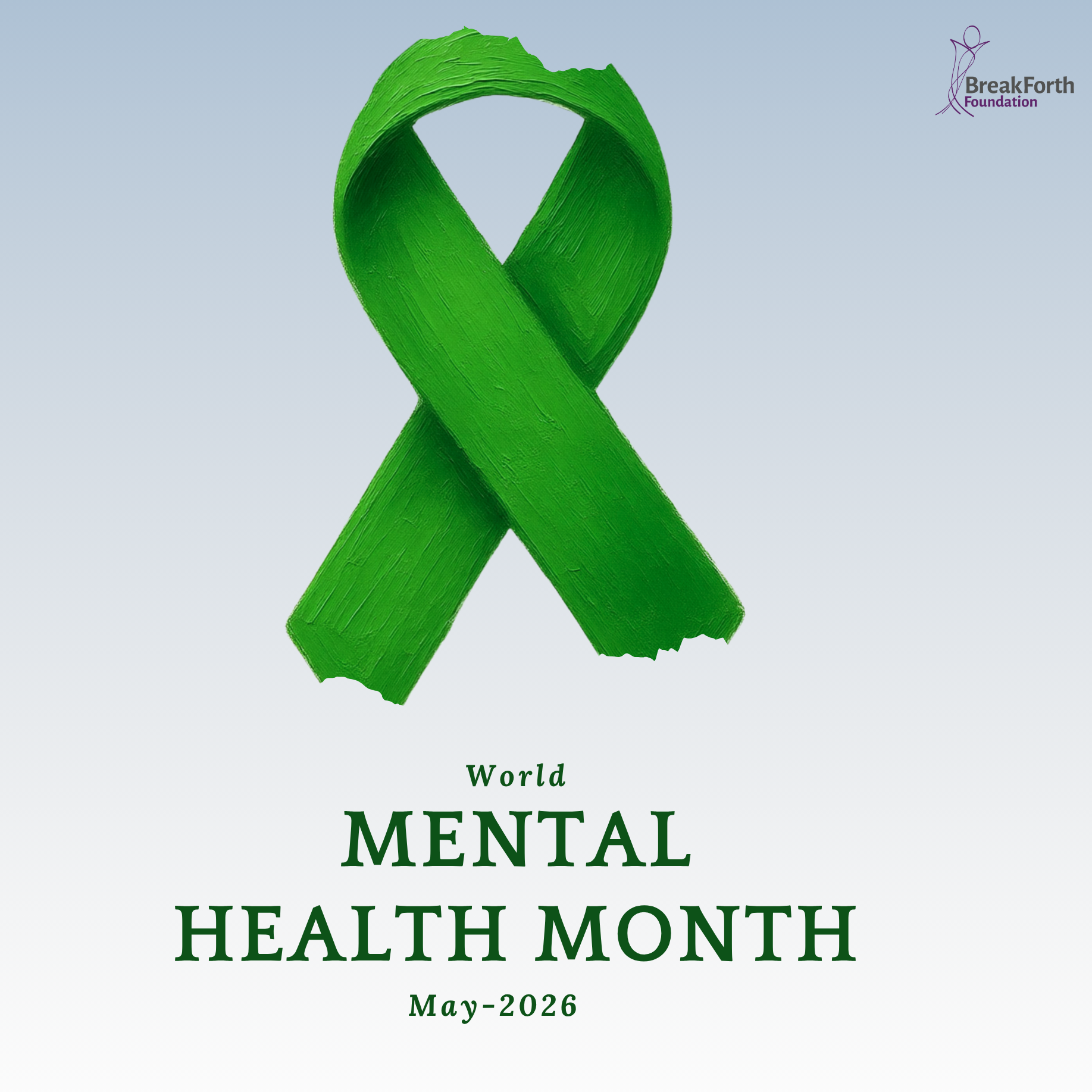
“More Good Days, Together,” honours the resilient souls for whom a “good day” is one where they felt safe.
The Unseen Shadows Behind the Smiles
A quiet village in the Southern Province harbours the story of a child-bride being handed over to a man twice her age to settle a debt. On the outside, she is called a “wife”, on the inside, her mind is full of suffocating fears about the role she is expected to take. She feels completely hopeless and isolated from the life she thought she would have.
Flip over to a bustling university campus and a young lady is walking to class, seemingly pursuing her dreams. Nobody knows that behind closed doors, she is being held captive by her partner who isolates her from friends and micro-manages everything. The psychological abuse has erased her identity and replaced it with constant quiet panic.
Step into the corner café and your eyes fall on a young man sitting alone. He is stuck with an abusive partner who at every minor disagreement turns to violence. The trap is two-fold, daily blows, and a deep-seated shame propelled by culture telling him, “Men can never show weakness”. The outcome is Internalized anger that continues to build and harden into hovering invisible depression.
Then, look at the young woman leaving the bank, her face is pale with exhaustion. Every morning she wakes up feeling suffocated, trapped in a relationship controlled entirely by financial blackmail because she has to survive. It costs her sanity, she lives in a constant state of stress and burnout because her mind is held hostage by the terrifying leverage her partner holds over her, but she stays.
The Unheard Mental Health Reality
You see, each person represents a reality of someone fighting for their sanity out there regardless of rural or urban contexts. The truth is that prolonged emotional and physical abuse alters how the brain functions. When a person is in trauma, their mental health breaks down in very specific ways. Some ways include:
- Hyper-vigilance (PTSD): The mind stays in “fight or flight” mode. Victims are always on edge, waiting for the next accusation, threat, or strike, which drains the nervous system.
- Dissociation: A defence mechanism where a person mentally “detaches” from their body. They feel like they are watching their life happen to someone else because the reality is too painful to inhabit.
- Anxiety & Isolation: The fear of judgment and individuals withdraw from friends and family, cutting off the very support systems that could help them heal.
What then is The Solutions? Awareness to Action.
We cannot build new specialized referral hospitals overnight to fix the treatment gap, but we can deploy immediate, life-saving solutions within our communities:
- Dismantle the Myths: We must educate our families, churches, and community leaders that depression, anxiety, and trauma are medical conditions- not spiritual failures or products of witchcraft. Mental health challenges require counselling and medical care, not shame.
- Establish Safe Community Spaces: We need localized, grassroots support groups in our markets, churches, and universities where women and men can share their stories without fear of gossip or retaliation. Knowing “I am not alone” is the first step to breaking trauma bonds.
- Psychological First Aid Training: We must equip teachers, community leaders, and clinic nurses with basic counselling skills so they can spot the signs early, offering a safe avenue for victims to seek help.
- Promote Accountability and Boundaries: Healing requires safety. As a society, we must actively enforce zero-tolerance for GBV, support financial literacy programs for women to reduce dependency, and protect victims who build the courage to leave.
Healing is a Shared Journey
We continue to champion Mental Health Awareness so that when someone builds the courage to tell us they are trapped, we become the community that provides them with a safe space.
Your Mind Deserves Peace
To every survivor: Your heart deserves safety and your mind deserves peace.
Healing starts when we stop hiding.
Confidential, free 24/7 support is available if you or someone you love struggles with mental health challenges, please reach out:
Lifeline/Childline Zambia: Call 116 or 933 (Toll-free from any network)
Psychological Association of Zambia: Call +260 97 4056262
Victim Support Unit (Zambia Police): Visit your nearest police station for immediate protection.